The 3C’s Model: Delivering Successful Construction Projects
The key to making a construction project successful lies in implementing the 3C’s Model — Communication, Coordination, and Cooperation. These three components are interdependent, but communication slightly precedes the other two because, without it, coordination and cooperation cannot be achieved effectively.

Understanding the 3C’s in Construction Projects
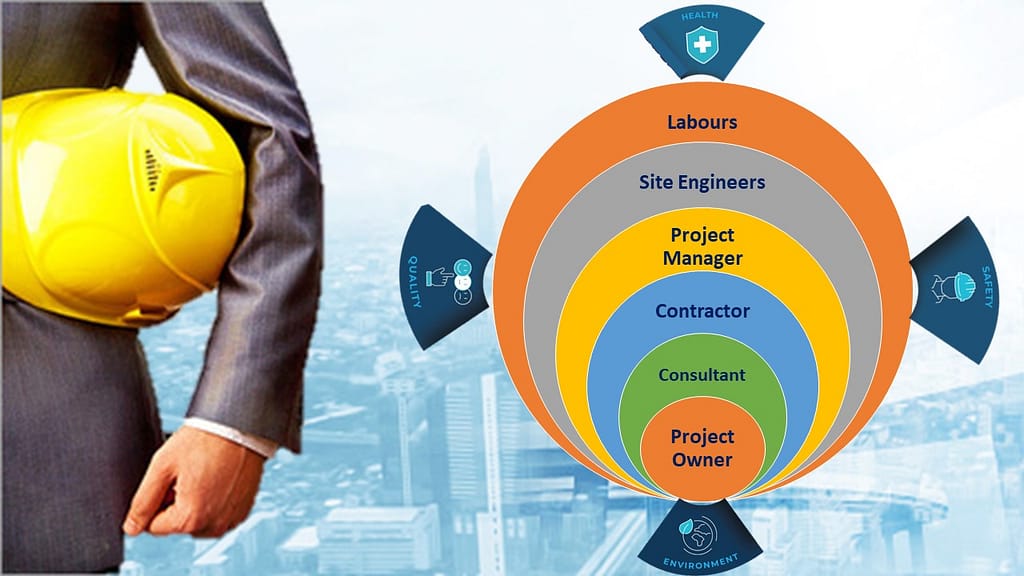
A construction project begins with a desire to create a structure in the owner’s mind, moves to paper through architects and design engineers, and finally takes shape on the ground through the field staff. Throughout this journey, all activities are executed while following strict HSEQ (Health, Safety, Environment, Quality) standards.
1. Communication
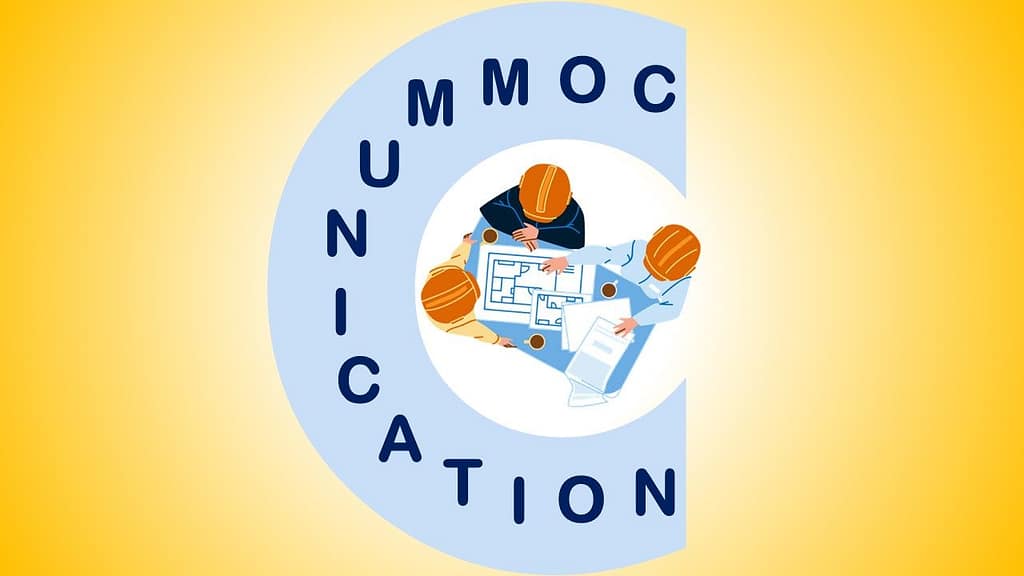
- Definition & Importance:
In construction projects, time is the essence of the contract, and communication directly impacts time management. - Workforce Dynamics:
Each project involves a diverse workforce with specific roles and responsibilities. The size, scale, and complexity of the project dictate the number of personnel required. - Key Points:
- Involves everyone from the project owner to field workers.
- Must be consistent from project inception to completion.
- Not just conversation — it’s about understanding and delivering the right information at the right time.
- Daily communication enhances productivity and profitability.
2. Coordination
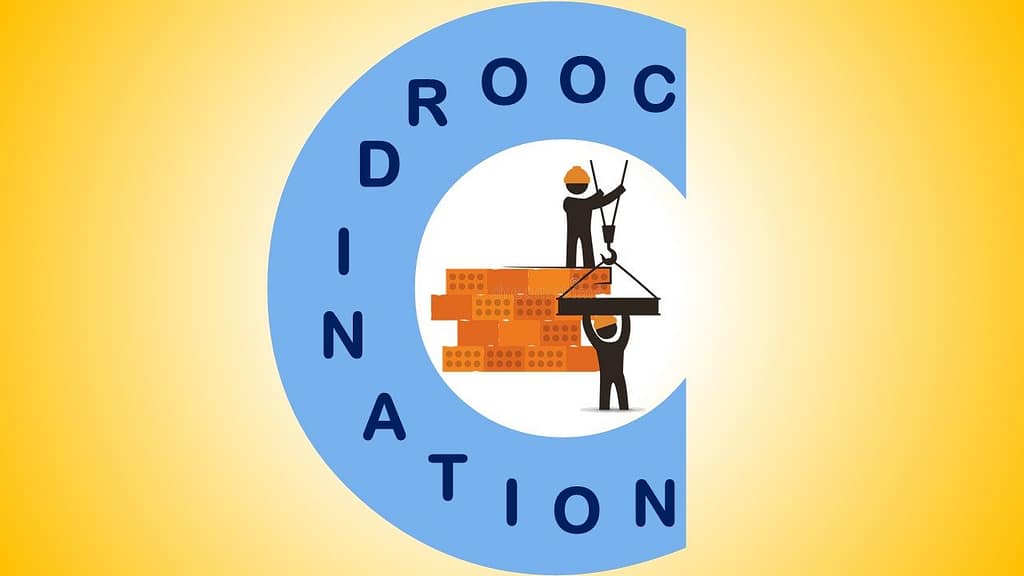
- Definition & Role:
In civil engineering, teamwork is crucial. With multiple departments involved, there’s extensive documentation and procedures to follow. - Importance of Experience:
Familiarity with approvals and documentation comes with hands-on industry experience. - Key Points:
- Unity-based, orderly arrangement of efforts.
- Individuals should perform certain tasks proactively, without constant instruction.
- Effective coordination ensures project milestones and deadlines are met.
3. Cooperation
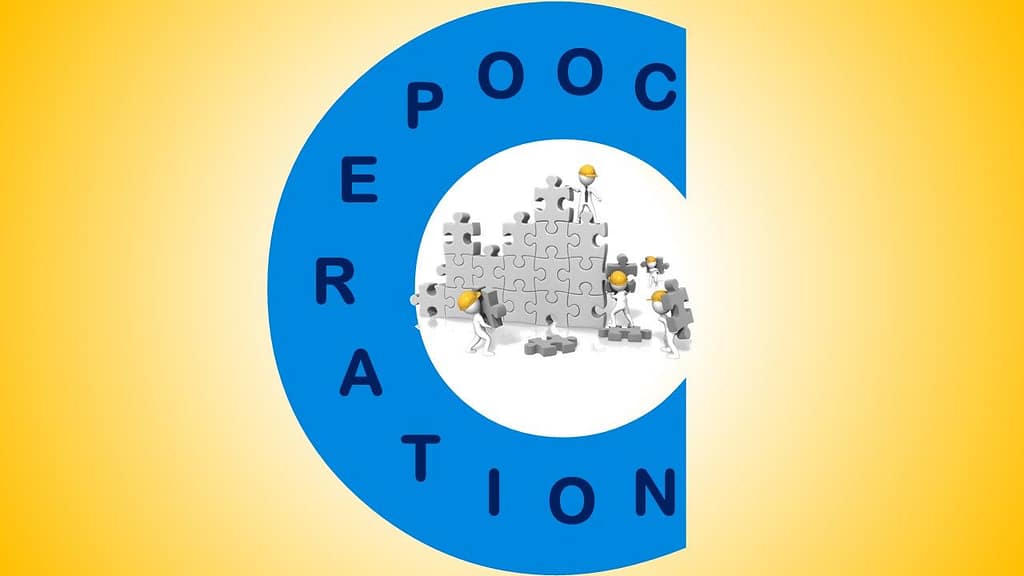
- Definition & Necessity:
Coordination is only possible if there is active cooperation from every individual on the project. - Workforce Composition:
Around 60–70% of the workforce are laborers — without their cooperation, construction halts. - Challenges:
- Labor willingness to perform tasks can vary.
- Owners, consultants, and engineers may face cooperation issues due to decision-making delays, politics, or lack of experience.
- Key Points:
- Requires willingness to help each other.
- Involves voluntary, collective efforts to achieve the project’s goals.
- Without cooperation, even the best communication and coordination will fail.
Conclusion
The 3C’s Model is a practical and proven approach to delivering successful construction projects. Communication builds clarity, coordination ensures smooth execution, and cooperation unites the team toward a common goal. Together, they form the foundation for on-time, profitable, and quality-driven project delivery.
Blog by : Mirajj Thaker