Introduction
The best way to truly understand something is to first identify the “WHY” behind it.
In this post, we’ll explore the “WHY” of civil engineering — its purpose, importance, and impact on our lives on planet Earth.
The Word “Engineering”
Engineering is the science of using natural resources to develop solutions for the progress of humankind.
Its ultimate goal? Development.
The Word “Civil”
From our school days, we’ve learned about civilization — the development of a community or region where people live together.
Here, the term “civil” refers to citizens or people.
Civil Engineering = People + Development
Civil engineering is considered the oldest branch of engineering. It has existed since humans evolved, as it fulfills one of life’s basic necessities — shelter.
The very first people who built shelters to protect against heat, cold, and rain were, in a way, civil engineers.
What Do Civil Engineers Do?
Today, millions of civil engineers around the world work daily to meet people’s needs.
Let’s look at 10 real-world examples of how civil engineers shape our lives.
1. Shelter & Housing
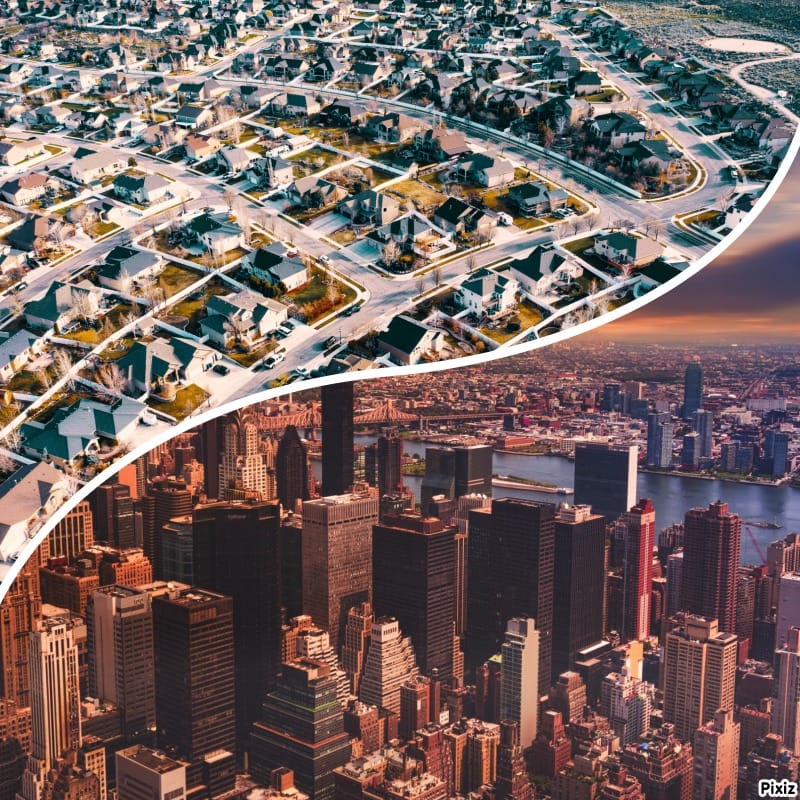
- People needed safe spaces to live with their families, protected from weather.
- Civil engineers created: Houses, apartments, and residential complexes.
2. Transportation Systems

- People needed comfortable ways to travel long distances.
- Civil engineers created: Roads, highways, bridges, airports, and railway networks.
3. Energy Infrastructure
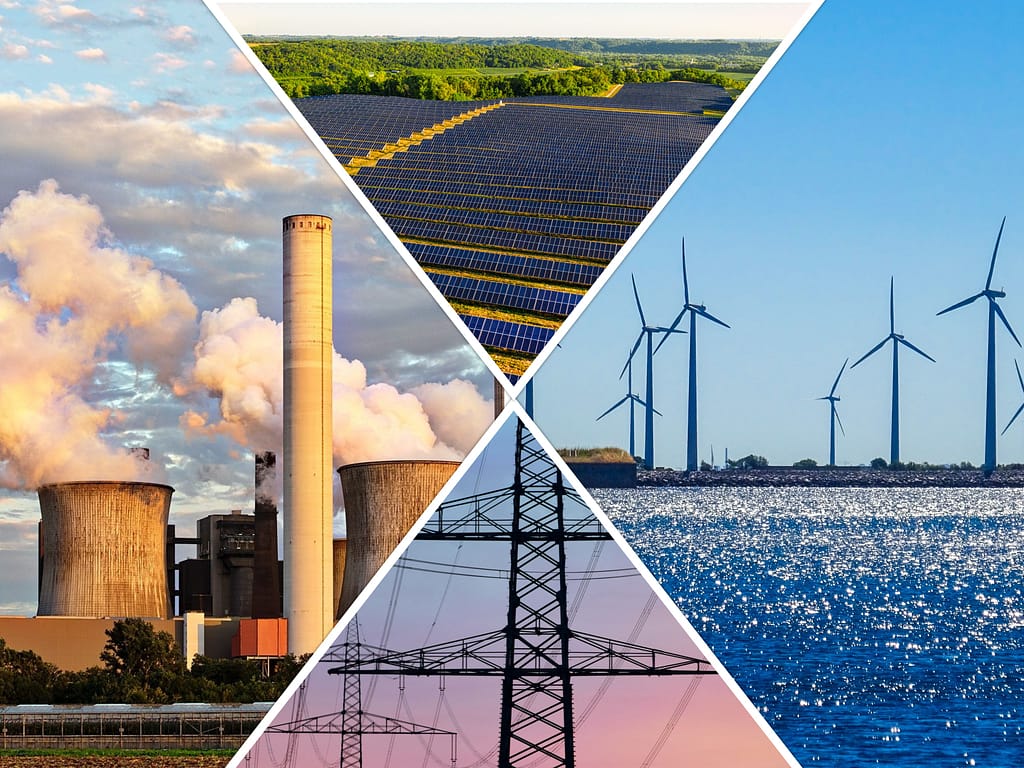
- People needed systems to generate and deliver energy for daily life.
- Civil engineers created: Transmission lines, thermal power plants, solar farms, and wind turbines.
4. Waste Management
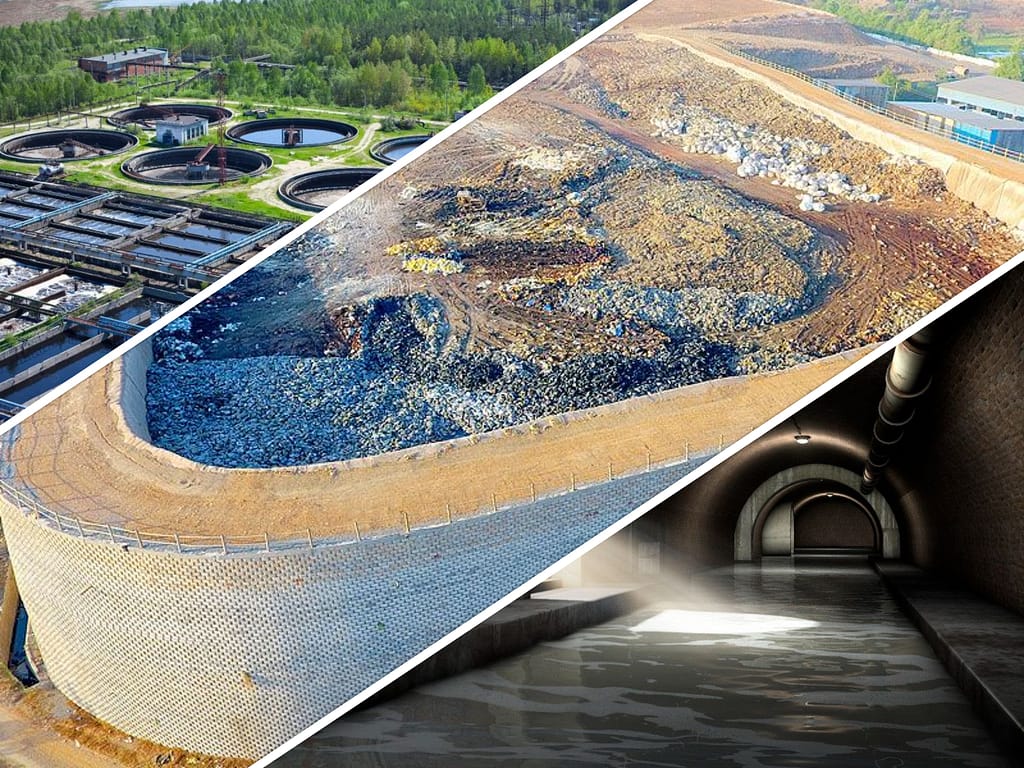
- People needed ways to safely dispose of domestic and industrial waste.
- Civil engineers created: Water treatment plants, landfill systems, and sewer networks.
5. Water Supply
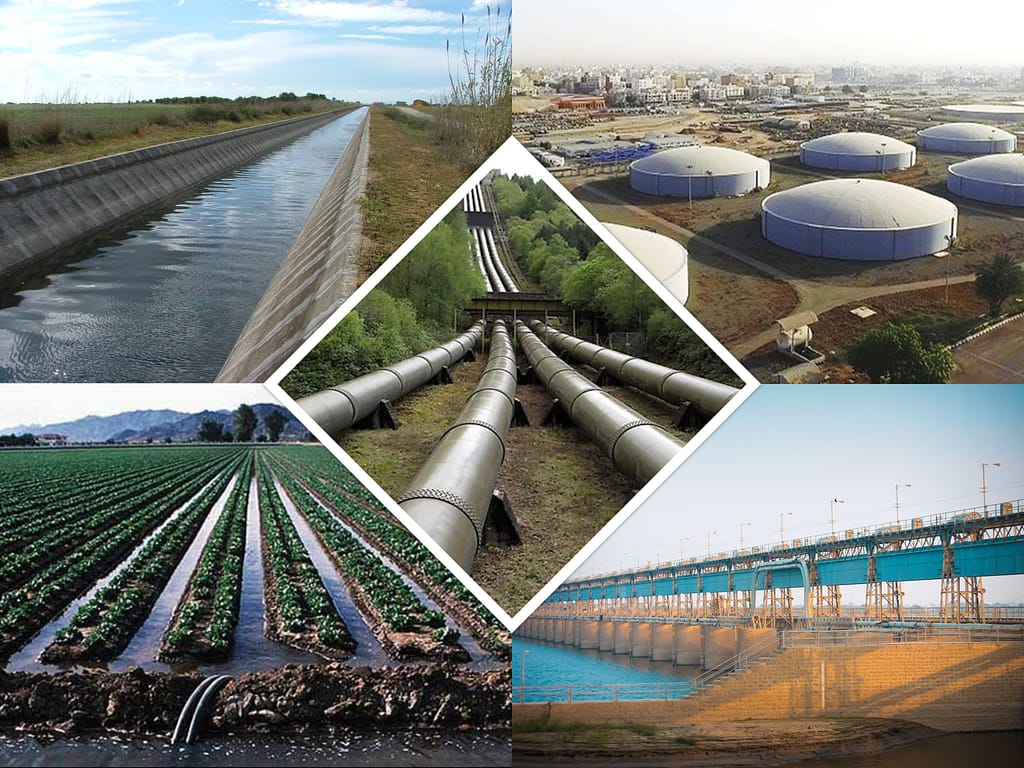
- People needed access to clean, reliable water.
- Civil engineers created: Reservoirs, pipelines, irrigation systems, and storage tanks.
6. Food Production & Storage

- People needed facilities to produce and store food.
- Civil engineers created: Factories, warehouses, and cold storage systems.
7. Fuel Production & Storage

- People needed facilities to process and store fuel.
- Civil engineers created: Oil refineries, offshore platforms, and gas terminals.
8. Sea Transportation
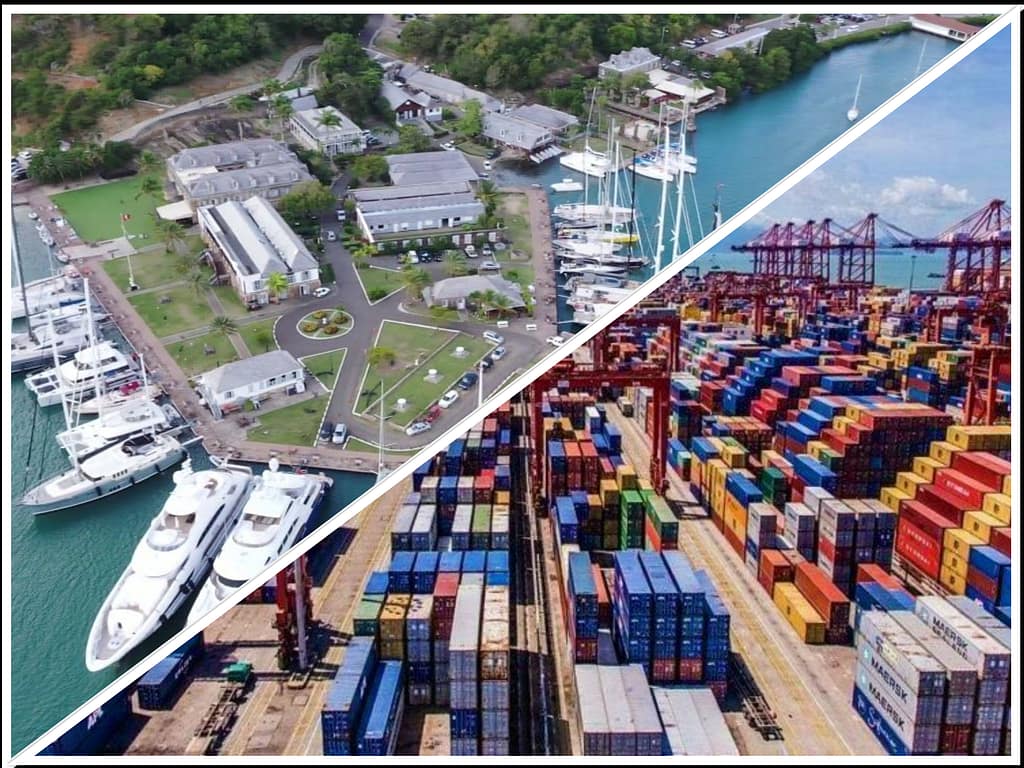
- People needed coastal platforms to move goods and people by sea.
- Civil engineers created: Ports and harbors.
9. Recreation & Tourism

- People needed spaces for leisure and cultural activities.
- Civil engineers created: Amusement parks, museums, and monuments.
10. Digital Infrastructure
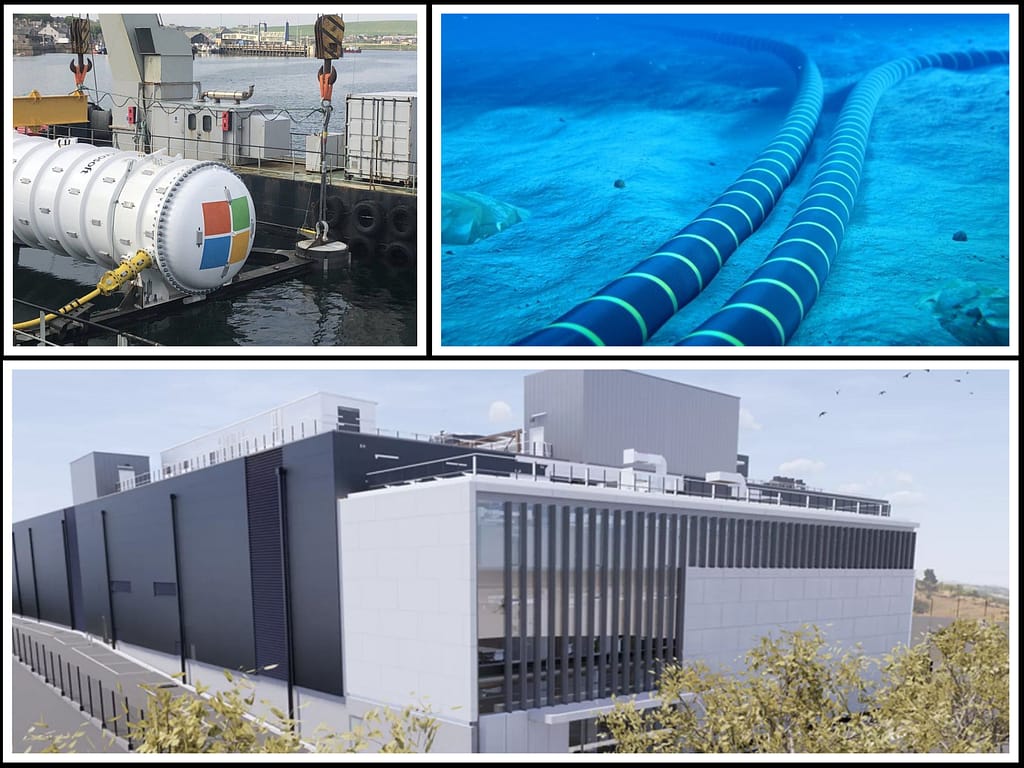
- In today’s world, billions rely on the internet daily. Massive data needs safe storage.
- Civil engineers created: Large-scale data centers — both on land and underwater.
The Future of Civil Engineering
Civil engineering will exist as long as people exist.
With the world population growing, the demand for infrastructure will only increase.
More people means more housing, transportation, energy, and facilities — and that means civil engineers will always be in demand.
Share This Post If You Know Someone Who:
- Is curious about civil engineering.
- Feels demotivated after choosing civil engineering.
- Thinks there’s no scope in the construction industry.
- Is proud and happy to be a civil engineer.
- Is confused about which career path to choose.
Closing Thought
Civil engineering isn’t just a career — it’s the backbone of modern civilization. Every road you walk on, every building you enter, every drop of water you drink, and even the internet you’re using now… all have a civil engineer’s mark on them.
Blog by : Mirajj Thaker