We civil engineers create amazing structures that stand strong for more than a century, serving their purpose reliably. The secret behind these enduring structures is their strong foundation, often hidden from view. This foundation ensures safety and reliability by resisting various external forces.

Similarly, in your career, a strong foundation determines your ability to stand tall and thrive. The world is full of opportunities for civil engineers, and the construction industry is booming globally. With the right skill set and a solid plan, you can achieve remarkable heights in your career.
Building the “Foundation of Your Success”

The first step toward a successful career is enrolling in a Bachelor’s in Civil Engineering program. This degree introduces you to the ABC of civil engineering — from basic design principles to the interconnection of sub-disciplines and their application in real-world construction projects.
More importantly, it helps you identify your area of interest within civil engineering, setting the stage for specialization and long-term growth.
Building the “Solid Foundation of Your Success”
Every student takes admission (concrete) and studies the syllabus (steel reinforcement), completing the degree in four years (28 days in construction terms). But what makes your foundation stronger and more sustainable is the extra effort — the “admixtures” you add during your course.
This could mean internships, learning software tools, field visits, networking, or self-study beyond the syllabus. These additions make your professional base unique and resilient.
Syllabus vs. Industry Practice
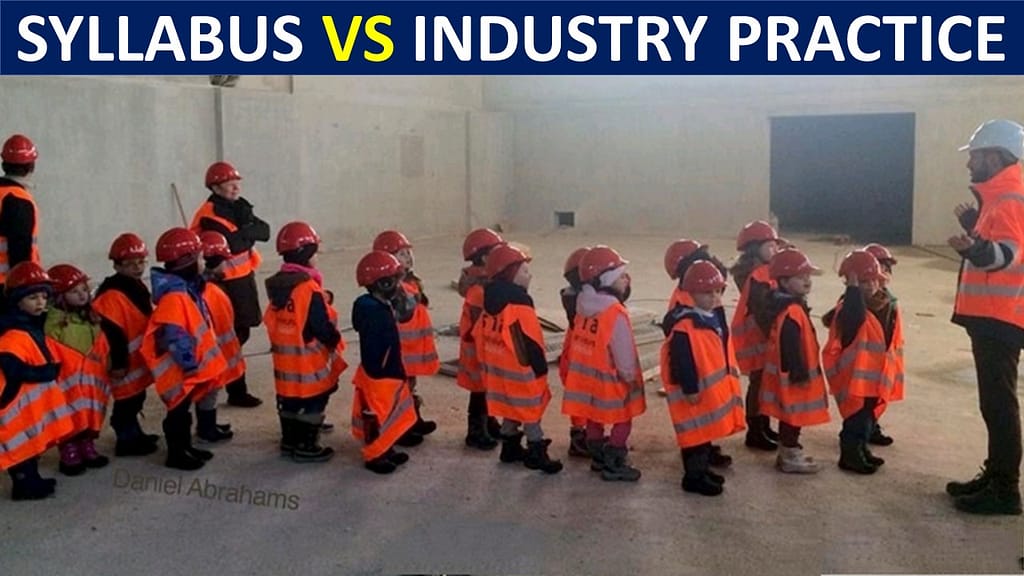
The bachelor’s syllabus gives you solid fundamentals. However, real-world projects are far more complex, involving engineering, procurement, and construction aspects that demand both knowledge and experience.
Think of it like collecting ingredients during your degree (subjects) and then mixing and cooking them (real-life projects) to create a complete dish (successful career).
The License to Drive Your Career Path
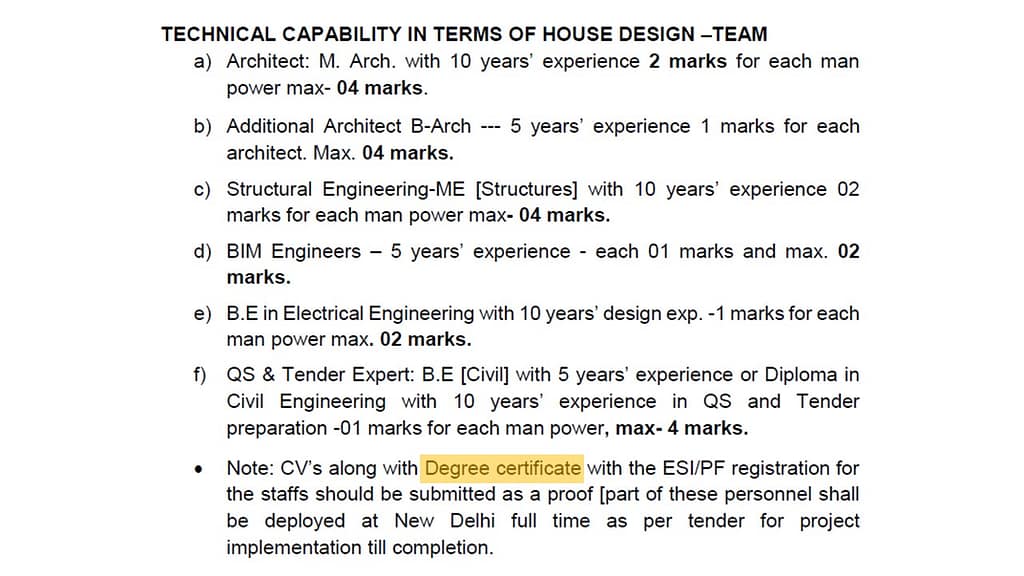
Graduating with a bachelor’s degree is like getting a driving license for your career journey. In the construction world, projects — both private and government — are executed via tenders. Pre-qualification criteria often include having civil engineers with relevant degrees, making your qualification essential.
Even non-technical entrepreneurs need civil engineers with degrees for their companies to execute construction works. Your degree is not just a certificate — it’s an entry ticket to the professional arena.
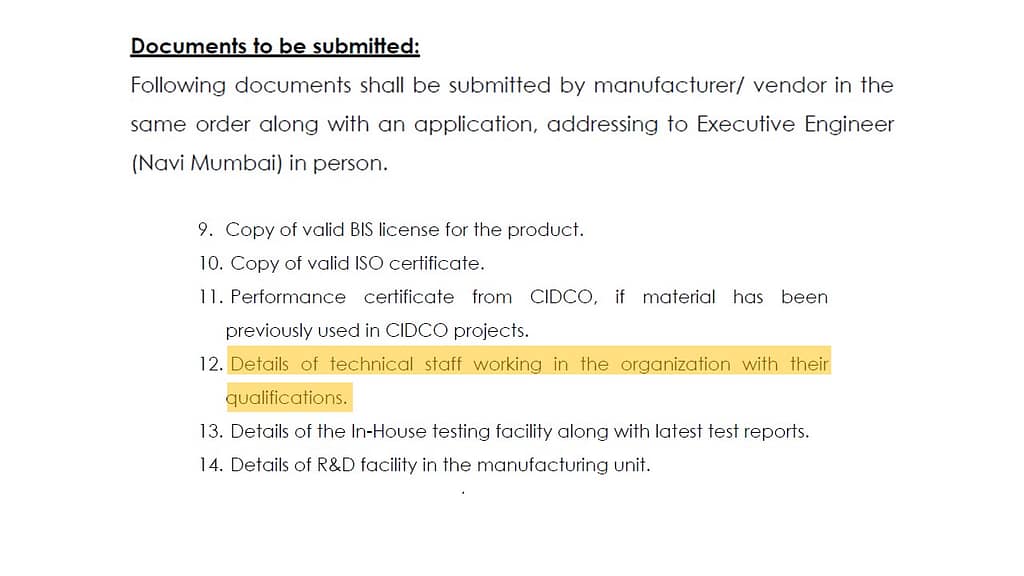
In the construction industry, works are generally carried out through a tendering process, and the groups of people involved in executing these tenders include consultants, contractors, manufacturers, and suppliers. Let’s look at a few tender snippets where a Bachelor’s Degree is set as a requirement
- Tender Document for Selection of Consultant
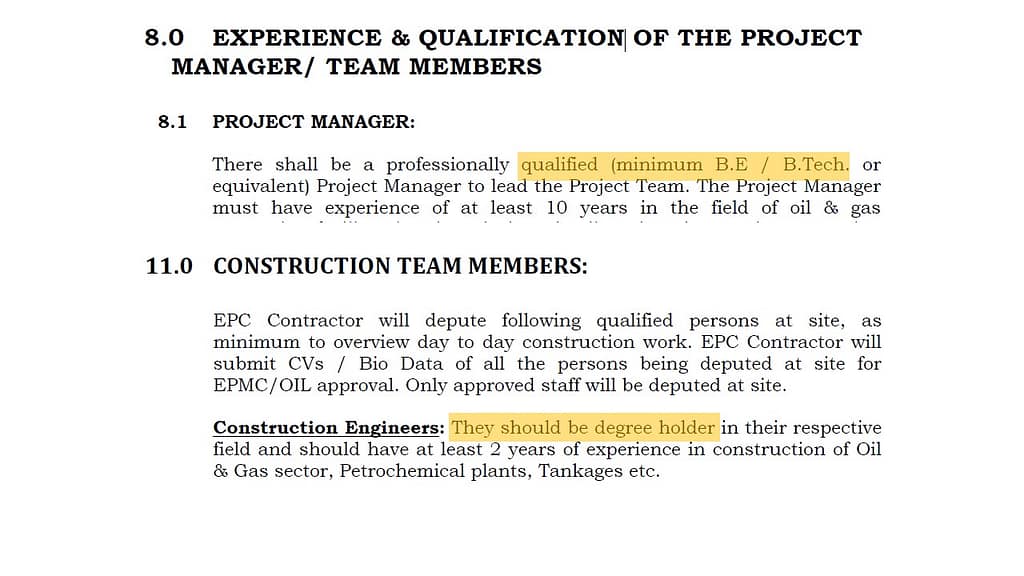
- Tender Document for Selection of Contractor
- Vendor Registration Document for Supply of Materials
Building the “Superstructure”
Once your foundation is ready, it’s time to build your career superstructure. After graduation, you can choose from multiple paths:

- Take up a job in the construction industry.
- Pursue higher education in your area of interest.
- Start your own construction business.
- Engage in research and innovation in civil engineering.
Whichever path you choose, remember: you are a CIVIL ENGINEER — the world needs your expertise to keep building its future.
Blog by : Mirajj Thaker